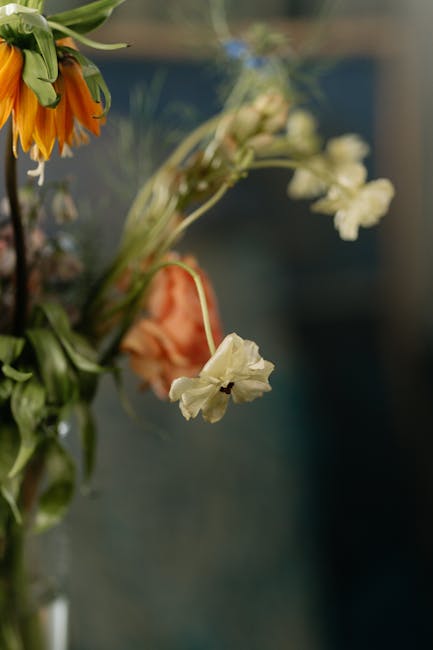
Dealing with wilted bouquets after a Putney delivery
Posted on 01/06/2026
If your flowers arrived looking a little tired, don't panic. Dealing with wilted bouquets after a Putney delivery is usually about acting quickly, checking the likely cause, and knowing whether the bouquet can be revived or should be reported. In many cases, a drooping bouquet is not "dead" at all - it is simply dehydrated, heat-stressed, or packed too tightly for the journey. The good news? A calm, practical response often makes a real difference.
This guide walks you through what to do first, how to tell when a bouquet can be rescued, when to contact the florist, and how to avoid the same problem next time. It also explains what a sensible post-delivery flower care process looks like in Putney, whether the bouquet was sent for a birthday, an apology, a wedding, or just because someone wanted to brighten your day.
Why dealing with wilted bouquets after a Putney delivery matters
A wilted bouquet can feel disappointing, especially when it was meant to mark a proper moment: a birthday, a thank-you, a new baby, or a difficult time when words are doing their best but flowers are supposed to do the heavy lifting. That's why the first reaction matters. A bouquet can look alarming after a short journey through a warm hallway, a delayed doorstep handover, or a few hours without fresh water - and yet still recover beautifully.
There's also a practical side. Flowers are perishable, which means time, temperature, packaging, and handling all affect their condition. If you know what to check and what to photograph, you can tell the difference between normal transit stress and a genuine quality issue. That saves time, reduces guesswork, and helps you take the right next step. To be fair, nobody wants to spend the evening Googling whether a rose can be "saved" when they should be enjoying the scent and colour instead.
For people in Putney, local delivery conditions can be part of the story too. Flats, concierge desks, traffic, and delivery windows can all introduce a bit of extra exposure. So can leaving flowers near a radiator, a sunny window, or a busy kitchen worktop. It sounds obvious, but in real life these things happen constantly. One minute the bouquet is on the table; the next it's been admired, moved twice, and forgotten in the warmest corner of the room.
Expert summary: wilted flowers after delivery are not always a failure, but they do need a quick and methodical response. The earlier you inspect, re-cut, hydrate, and document the bouquet, the better your chances of reviving it or making a fair claim.
How dealing with wilted bouquets after a Putney delivery works
The process usually breaks into three simple stages: assess, revive, and decide. First, you inspect the bouquet as soon as possible. Then you give it the right kind of first aid. Finally, if the flowers still look poor, you decide whether to contact the florist with evidence.
Most wilting happens because stems stop taking up water efficiently. That can be caused by a blocked stem end, leaves sitting below the waterline, a travel wrap that trapped heat, or a bouquet being left too long before it was placed in water. In some cases, soft blooms like tulips, roses, lilies, or hydrangeas show stress very quickly, while hardier varieties such as carnations or chrysanthemums may hold up better. If you're considering bouquet types for future occasions, browsing roses, lilies, or carnations can help you choose flowers that suit the moment and the expected care level.
Sometimes the "wilted" look is partly cosmetic. A bouquet can arrive with some bent heads, slightly closed petals, or leaves tucked tight from packaging. That may look alarming in the first minute, but it is not the same as irreversible decline. The real test is whether the stems can rehydrate once they are recut and moved into clean water.
In a well-run delivery setup, you should also be able to review the retailer's support information if needed. Pages such as flower care guidance, delivery information, guarantees, and returns and refunds are the kinds of places a customer would usually check before making contact. That's just sensible, and it keeps the conversation focused on facts rather than frustration.
Key benefits and practical advantages
Knowing how to deal with a wilted bouquet quickly has a few real benefits. The first is emotional. You protect the meaning of the gift. A flower delivery isn't just foliage and stems; it's usually a message. If the arrangement was chosen for a loved one, a colleague, or an important family event, getting it back on track matters more than people admit out loud.
The second benefit is financial. If the bouquet is genuinely damaged on arrival, you want to give the florist enough information to assess the issue fairly. Clear photos, prompt action, and a short description of what you saw can make the difference between a smooth resolution and a drawn-out exchange. That's particularly useful if you used same-day flower delivery in Putney or next-day flower delivery in Putney, where timing and handling are part of the service promise.
The third benefit is confidence. Once you understand the basic rescue steps, you stop feeling helpless when a bouquet droops. You know what to do. That calmness is surprisingly useful. Flowers are meant to be enjoyed, not baby-sat like a small Victorian invalid. A little care goes a long way.
- You can often revive flowers that look worse than they actually are.
- You make fair claims easier by documenting the issue properly.
- You reduce waste by saving stems rather than discarding them too early.
- You learn which blooms are more sensitive for future orders.
If you regularly send flowers for birthdays, anniversaries, or sympathy occasions, you may also want to look at options such as birthday flowers in Putney, anniversary flowers, or funeral flowers in Putney. The care expectations vary a bit by arrangement style, and it helps to choose accordingly.
Who this is for and when it makes sense
This guide is for anyone who receives flowers in Putney and finds they are drooping sooner than expected. That includes gift recipients, senders trying to sort out a problem, office managers handling a corporate delivery, and family members dealing with flowers for an event or service. It also helps if you're a bit of a perfectionist, which, let's face it, is not the worst trait when a bouquet is on the line.
It makes particular sense in a few situations:
- the flowers arrived warm, soft, or pressed flat in packaging;
- the stems were left without water for too long;
- the bouquet contains delicate blooms like hydrangeas or lilies;
- the flowers were delivered to a building with a reception delay;
- you need to decide whether a complaint or replacement request is justified.
If you're sending flowers rather than receiving them, the topic is still relevant. Choosing a florist with solid support, transparent delivery detail, and clear help pages can reduce the chance of problems in the first place. That's where pages like best flower delivery in Putney, flower delivery Putney SW15, and flower shops in Putney become useful touchpoints. They help set the right expectation before the bouquet even leaves the workshop.
For event-led orders, the stakes can be even higher. Think weddings, funerals, or corporate gifting. A softened bouquet in those situations is not just an inconvenience; it can affect presentation, timing, and the tone of the whole day.
Step-by-step guidance
- Inspect the bouquet immediately. Look for drooping heads, slimy stems, dried edges, crushed petals, or an unusual smell. Take one or two clear photos straight away, ideally in natural light by a window.
- Remove the packaging carefully. Unwrap the bouquet so the stems can breathe. If there is a water source or aqua pack, check whether it still contains moisture. Sometimes the issue is simply that the packaging held the arrangement too tightly during transit.
- Recut the stems. Trim 1-2 cm from each stem at a sharp angle using clean scissors or floral snips. This freshens the water uptake area. Don't crush the stems; a blunt cut is no friend to a tired bouquet.
- Strip leaves below the waterline. Any foliage sitting in water will rot quickly and make things worse. Clean stems are crucial, especially for mixed arrangements and roses.
- Use a clean vase with fresh water. Wash the vase thoroughly first. Add cool or lukewarm water, unless the bouquet instructions say otherwise. A dirty vase can undo your good work in a hurry.
- Feed the flowers if you have the sachet. Use the flower food provided, following the packet instructions. If none was supplied, water quality and cleanliness become even more important.
- Let the bouquet rest in a cool spot. Keep it away from radiators, direct sun, ovens, fruit bowls, and draughts. A cooler room usually helps flowers settle after travel.
- Wait and reassess after 1-2 hours. Some blooms perk up quite quickly. Others need a full night. If the bouquet is still collapsing, then it's time to compare what you're seeing against the florist's delivery standards and take your claim further.
If you suspect the problem is connected to transit rather than room conditions, check the order details and keep your photos. If the bouquet was sent through a service such as flowers by post in Putney, the packaging route and timing may matter just as much as the flowers themselves.
Useful rule of thumb: if a bouquet improves after water, trimming, and a cool rest, it was probably stressed rather than ruined. If it stays limp, brown, or collapsed despite proper care, you likely have a genuine fulfilment issue.
Expert tips for better results
Here's the part that tends to save the day more often than people expect: work gently, but work fast. A wilted bouquet doesn't need drama; it needs attention. In our experience, the biggest improvement comes from stem trimming and a clean vase. Simple, not glamorous, but absolutely effective.
Some other tips that make a real difference:
- Choose the right water temperature. Cool water is usually best for mixed bouquets, though some stem types do better with slightly tepid water. If in doubt, room-temperature water is a safe middle ground.
- Separate damaged stems. If one flower is collapsing and starting to decay, remove it. One poor stem can drag down the whole arrangement.
- Re-cut woody stems twice. Roses and some seasonal flowers can benefit from a second trim after an hour if they still look thirsty.
- Mist lightly only if appropriate. Not all flowers love extra moisture on petals. A light mist can help certain blooms, but overdoing it is messy and not always useful.
- Mind the room. A vase on a sunny windowsill can undo an otherwise good recovery. Shade and cooler air are your allies.
If you regularly order specific flower types, choose with recovery and presentation in mind. For example, best sellers often include balanced arrangements that travel well. Meanwhile, flowers in a vase can be a smart choice if you want the stems to arrive already supported in water. That does not make them immune to stress, of course, but it can reduce handling at the receiving end.
And one more thing - if you're dealing with a gift from a thoughtful sender, keep the tone calm when you report a problem. A clear photo and a straightforward explanation go much further than a rushed message written while staring at a wilting rose. We've all been there.

Common mistakes to avoid
People usually make the same handful of mistakes when they are worried about a bouquet. The tricky part is that those mistakes often come from good intentions. They just backfire a bit.
- Leaving the bouquet in the wrapper too long. Flowers need air and water, not a long sit in warm packaging.
- Using a dirty vase. Bacteria build-up is a fast way to shorten vase life.
- Failing to recut stems. This is one of the easiest ways to improve hydration, so skipping it is a missed opportunity.
- Overfilling the vase. Too much water can drown soft stems or leaves.
- Placing the bouquet near heat or fruit. Ripening fruit can speed up ageing. Kitchens are not always flower-friendly, despite looking cosy.
- Waiting days before raising an issue. If you think the bouquet arrived in poor condition, don't sit on it. Take photos and contact support promptly.
Another mistake is assuming every wilted bouquet is the florist's fault. Sometimes it is. Sometimes the issue comes from the bouquet being left outside, delayed by building access, or handled too casually after delivery. A fair assessment looks at the whole chain, not just the final moment.
That's especially true for special occasion flowers, where the recipient might not have been home immediately. If you're planning ahead, it can be worth looking at same-day flower delivery in Putney or next-day flower delivery in Putney so the timing works better with the day itself.
Tools, resources and recommendations
You do not need a flower studio's worth of equipment to handle a wilted bouquet. A few household basics are usually enough:
- a clean vase;
- sharp scissors or floral snips;
- fresh water;
- a clean surface for unpacking;
- a phone camera for quick photos;
- the flower food sachet, if included.
On the support side, use the florist's information pages before jumping to conclusions. In Putney, useful pages to check include contact information, returns and refund guidance, guarantees, and terms and conditions. Those pages often explain the process, the timing expectations, and what evidence is needed if there is a complaint.
For repeat senders, a better long-term strategy is to pick arrangements matched to the occasion and the recipient's routine. A bouquet for a busy office might be better in a vase. A sympathy tribute may be more appropriate in a form that holds structure well. A birthday bouquet may benefit from stronger stems and a broader seasonal mix. If you're shopping on a budget, browsing cheap flowers in Putney doesn't have to mean compromising on suitability; it just means being a bit more selective.
And if the issue is recurring, it may be worth comparing styles across categories like alstroemeria, chrysanthemums, and hydrangeas. Different stems behave very differently once delivered, and a sensible choice can save everyone a headache.
Law, compliance, standards and best practice
For most customers, the key issue is not legal theory but fair handling. In the UK, consumer expectations around online and distance purchases are shaped by general consumer protection principles, but the details of any remedy depend on the seller's own terms, the nature of the product, and whether the issue was reported promptly. Because flowers are perishable, timing matters a lot. That's why photos, delivery notes, and quick communication are so important.
Good practice on the retailer side usually includes clear product descriptions, realistic delivery windows, and a straightforward route for complaints or refund requests. On the customer side, the best practice is just as important: inspect the bouquet on arrival, keep the packaging if you think there is a problem, and avoid throwing away evidence too soon.
If the bouquet was meant for a sensitive occasion - for instance, a funeral or memorial - discretion and care matter too. The categories and support pages for funeral flowers in Putney, tributes, and wreaths can help customers choose arrangements that are structurally suitable and easier to place in the right setting.
There's also an ethical angle. A florist that is clear about sourcing, handling, and transparency is easier to trust when something goes wrong. Pages such as about us, sustainability, and modern slavery statement help show the wider values behind the shop. That does not fix a wilted bouquet on its own, obviously, but it does help you judge the business as a whole.
Options, methods and comparison table
When you receive a wilted bouquet, you generally have three practical options: revive it yourself, ask for a replacement or refund, or do both in sequence. The right choice depends on how bad the flowers are and how fast you acted.
| Option | Best for | Pros | Limitations |
|---|---|---|---|
| Revive at home | Flowers that are limp but not damaged | Fast, simple, often effective | Won't fix severe transit damage |
| Contact the florist | Bouquets that arrive visibly poor | May lead to replacement or refund | Needs timely photos and clear detail |
| Do both | Unclear cases or mixed condition | Protects the bouquet and your position | Takes a bit more organisation |
If you're choosing the bouquet rather than reacting to one, a vase arrangement or a sturdier seasonal mix can be a safer bet. Consider exploring any occasion flowers, luxury flowers, or sprays if the event calls for a more structured display. These formats often present well and are easier to place quickly after delivery.
Case study or real-world example
A customer in Putney received a mixed bouquet mid-afternoon for a birthday celebration. By early evening, the roses had started to flop and a few leaves were limp. It looked, frankly, a bit tragic. The recipient moved the bouquet straight to a clean vase, recut the stems, removed leaves below the waterline, and left it in a cool room away from the sun.
After about two hours, the alstroemeria and chrysanthemums had improved noticeably, but the roses remained soft and one stem had a split head. The customer then took clear photos of the bouquet as delivered, plus close-ups of the worst stems, and contacted support with a concise explanation. Because the photos showed quick reporting and the bouquet still had visible issues after correct care, the matter could be assessed fairly.
What helped here was not luck. It was sequence. First: care. Second: evidence. Third: a calm, factual message. That's the pattern worth copying. The bouquet wasn't magically perfect, but the process made it possible to tell a temporary hydration issue from a quality problem. And that distinction is the whole game, really.
For future orders, this customer switched to a slightly sturdier design and added a card. If you're choosing a gift bouquet that should hold up well after transit, browsing best sellers or flowers in a vase can be a smart move. Less drama, more longevity.
Practical checklist
Use this checklist the moment a bouquet arrives looking wilted.
- Take clear photos immediately.
- Remove wrapping and any tight binding.
- Check whether a water source or aqua pack was included.
- Recut stems at an angle.
- Strip off leaves below the waterline.
- Wash the vase before use.
- Add fresh water and flower food, if supplied.
- Keep the bouquet away from heat and direct sun.
- Allow time for recovery before deciding it is beyond saving.
- Contact the florist promptly if the flowers still look poor.
Quick takeaway: don't judge the bouquet by the first five minutes alone. Give it a fair chance, but don't wait so long that evidence becomes fuzzy. Timing is everything here.
Conclusion
Dealing with wilted bouquets after a Putney delivery is really about staying steady. Check the flowers quickly, give them proper first aid, and then decide whether you're dealing with a temporary hydration problem or a genuine delivery issue. Most importantly, don't assume the worst too soon. A lot of bouquets look more dramatic than they are, especially after a warm journey or a few hours out of water.
When the flowers do need attention from the florist, clear photos and prompt reporting make the process far easier. When they can be revived at home, the right cut, the right water, and a cool resting place often bring them back nicely. It's a small thing, but a happy bouquet changes the feel of a room, and sometimes a day too.
If you want to reduce the chance of problems next time, choose flowers and delivery options that match the occasion, the recipient's routine, and the level of handling involved. That bit of planning pays off. And honestly, it saves a lot of sighing at the kitchen table.
Get a free quote today and see how much you can save.
For the most reliable next order, consider a trusted Putney florist with clear service information, sensible care guidance, and a straightforward resolution process when you need it. That kind of support makes all the difference.
Frequently Asked Questions
Why do bouquets wilt so quickly after delivery?
Usually because the stems were out of water for too long, the packaging trapped heat, or the bouquet was stressed during transit. Some flowers are simply more delicate than others, so a bouquet can look tired even when it is still recoverable.
Can a wilted bouquet be saved?
Often, yes. If the stems are still healthy, recutting them, removing lower leaves, and placing the bouquet in clean water can make a big difference within a few hours. If the petals are browning badly or the stems are damaged, recovery is less likely.
What should I do first when my Putney delivery looks wilted?
Take photos straight away, remove the wrapping, recut the stems, and place the flowers in a clean vase with fresh water. Then give them some time in a cool room before deciding whether the issue is serious.
How long should I wait before contacting the florist?
Do not wait too long. If the bouquet still looks poor after proper care and a short recovery period, contact the florist promptly. The sooner you report it, the easier it is to assess what happened.
Do I need to keep the packaging?
Yes, at least until you know whether the bouquet will recover. Packaging can help show how the flowers were packed and transported, and it may also be useful if you need to make a claim.
Which flowers are more likely to wilt in transit?
Hydrangeas, roses, tulips, and other softer stems can show stress quite quickly. Hardier flowers like carnations and chrysanthemums often cope better, though every bouquet depends on how it was prepared and handled.
Is it better to choose flowers in a vase?
For some deliveries, yes. A vase arrangement can reduce handling at the recipient's end and help the flowers settle more quickly. It does not eliminate problems, but it can make the journey less risky.
Can I ask for a replacement if the bouquet arrived wilted?
If the flowers were clearly poor on arrival and you have prompt photos, a replacement or refund may be appropriate depending on the florist's policy. Check the terms and return guidance first so you know the process.
What details should I include when making a complaint?
Keep it short and factual: order details, delivery time, what the bouquet looked like on arrival, what care you gave it, and clear photos. A tidy explanation is usually more helpful than a long emotional message, even if the flowers have genuinely ruined your mood a bit.
Does same-day delivery make wilted flowers more likely?
Not necessarily. Same-day service can work very well when handled properly. The key is preparation, packaging, and timing. If you are sending flowers for a time-sensitive occasion, the delivery method should match the recipient's schedule.
How can I reduce the risk of wilted flowers next time?
Choose a reputable florist, make sure the recipient will be available, consider flowers in a vase or sturdier varieties, and follow the florist's care instructions as soon as the bouquet arrives. A little planning goes a long way.
Are there particular arrangements that travel better?
Yes. Mixed arrangements with sturdy stems often travel well, as do vase-based designs and structured bouquets. If you want something more resilient, look at options like best sellers, flowers in a vase, or mixed seasonal designs.
What if the flowers improved after I trimmed them - does that mean there was no problem?
Not necessarily. Some bouquets recover after good care but were still not in ideal condition on arrival. If you had to rescue them immediately, the original condition still matters, especially if you want the florist to review the order fairly.